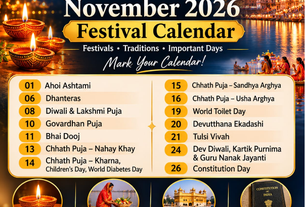
Ahoi Ashtami 2026
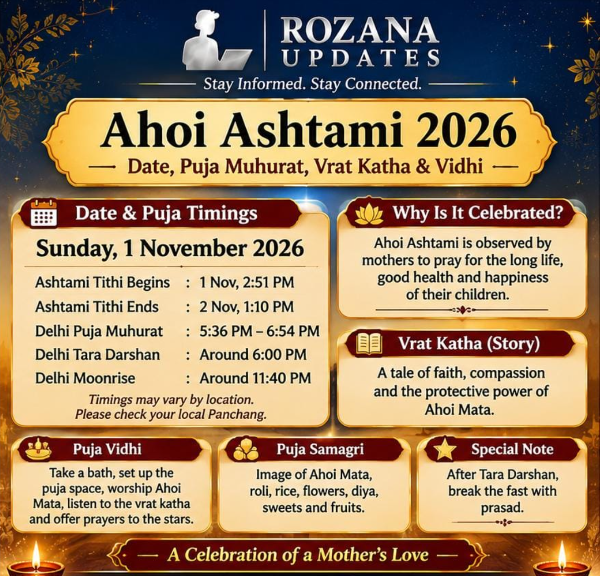
A festival that beautifully reflects a mother’s love, prayers and hopes for her children, Ahoi Ashtami is being celebrated today, 1 November 2026. Observed mainly in North India, this important Hindu festival sees mothers observe a day-long fast and worship Ahoi Mata for the health, happiness, long life and prosperity of their children.
Also known as Ahoi Aathe, the festival arrives just a few days after Karwa Chauth and shortly before Diwali. For many families, it is an occasion filled with devotion, traditional rituals and the warmth of family gatherings.
If you are looking for the correct Ahoi Ashtami 2026 date, puja muhurat, vrat katha, puja vidhi or star-sighting time, here is everything you need to know.
Ahoi Ashtami 2026 Date and Puja Timings
Ahoi Ashtami will be observed on Sunday, 1 November 2026.
The festival falls on the Ashtami Tithi of Krishna Paksha during the Hindu month of Kartik in the North Indian calendar. Since the evening worship is performed while the Ashtami Tithi is prevailing, the fast will be observed on 1 November.
Here are the important timings for Ahoi Ashtami 2026:
| Event | Date and time |
|---|---|
| Ahoi Ashtami | Sunday, 1 November 2026 |
| Ashtami Tithi begins | 1 November, 2:51 PM |
| Ashtami Tithi ends | 2 November, 1:10 PM |
| Delhi Puja Muhurat | 5:36 PM – 6:54 PM |
| Delhi Tara Darshan | Around 6:00 PM |
| Delhi Moonrise | Around 11:40 PM |
Important: These puja timings are for Delhi. The muhurat and star-sighting time vary according to the location. For example, the Drik Panchang listing for Partur, Maharashtra, gives a puja muhurat of 5:51 PM to 7:07 PM and star-sighting time around 6:14 PM. Always check your local Panchang before performing the puja.
Why Is Ahoi Ashtami Celebrated?
Ahoi Ashtami is traditionally observed by mothers who pray for the long life, good health and well-being of their children.
The festival is dedicated to Ahoi Mata, who is worshipped as a divine mother and protector. Women observe a fast, perform evening prayers and listen to the Ahoi Ashtami Vrat Katha as part of the traditional observance.
Earlier, the fast was commonly associated with prayers for sons. Over time, the observance has increasingly come to represent prayers for the well-being of all children, irrespective of gender.
At its heart, Ahoi Ashtami celebrates a simple but powerful emotion: a mother’s unconditional love and her wish to see her children live a happy, healthy and fulfilling life.
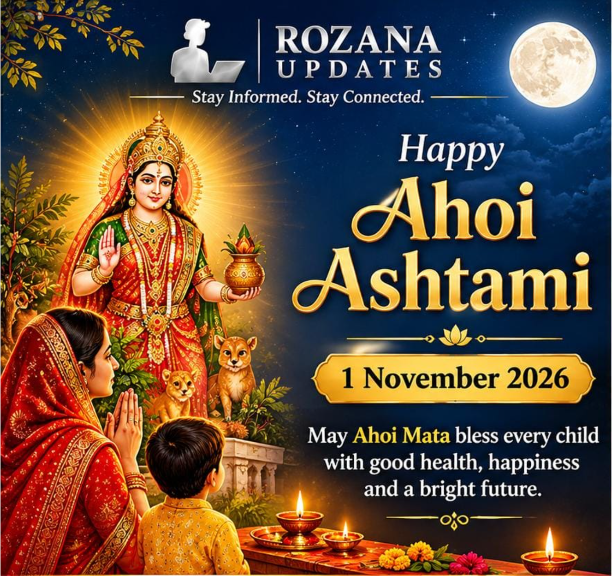
Ahoi Ashtami Vrat Katha: The Story Behind the Festival
The traditional Ahoi Ashtami Vrat Katha tells the story of a woman who went into a forest to collect soil while preparing for a family occasion.
While digging, she accidentally killed a young cub. The animal’s mother was believed to have cursed her, and the woman subsequently suffered the loss of her children.
Deeply distressed, she prayed sincerely to Ahoi Mata and sought forgiveness for her unintentional act. She observed the Ashtami fast with devotion and asked the goddess to bless her with the happiness of motherhood.
Moved by her repentance and prayers, Ahoi Mata blessed her.
The story is traditionally remembered on Ahoi Ashtami to emphasise faith, compassion, repentance and the protective power of a mother’s prayers.
Different families and regional traditions may narrate variations of the vrat katha, but devotion to Ahoi Mata remains at the centre of the observance.
Ahoi Ashtami Puja Vidhi: How Is the Vrat Observed?
The rituals of Ahoi Ashtami may differ slightly between families and regions. However, the following practices are commonly followed.
1. Morning preparations
Women wake up early, take a bath and make a sankalp, or religious resolution, to observe the fast for the well-being of their children. Some observe a strict fast without food or water, while others follow a lighter fast according to their health and family traditions.
2. Preparing the puja space
Ahoi Mata’s image is traditionally drawn on a wall or placed in the puja area. In many households, the image includes symbols associated with the traditional Ahoi Mata story.
3. Evening worship
In the evening, the puja area is decorated with flowers, a diya and other offerings. Women worship Ahoi Mata and offer roli, rice, flowers, sweets and other customary items.
4. Listening to the vrat katha
The Ahoi Ashtami Vrat Katha is recited or heard during the puja. Families pray for the happiness, health and long life of their children.
5. Tara Darshan and breaking the fast
In many traditions, women offer prayers to the stars after sunset and break their fast after Tara Darshan. Some families follow the custom of waiting for the moon instead. The practice depends on regional and family traditions.
Ahoi Ashtami Puja Samagri: What Do You Need?
If you are preparing for Ahoi Ashtami puja, commonly used items include:
- Image or drawing of Ahoi Mata
- Roli and rice (akshat)
- Flowers and garland
- Diya and cotton wicks
- Incense sticks and camphor
- Kalash filled with water
- Sweets and seasonal fruits
- Traditional offerings according to family customs
- A plate for the evening puja
The exact puja samagri may vary depending on local traditions and family practices.
Ahoi Ashtami and Karwa Chauth: What Is the Difference?
Both Ahoi Ashtami and Karwa Chauth are important fasting festivals observed by many married Hindu women, particularly in North India. However, their purpose and traditions are different.
Karwa Chauth is traditionally observed by married women praying for the long life and well-being of their husbands. The fast is generally broken after sighting the moon.
Ahoi Ashtami, on the other hand, is observed by mothers praying for the health, happiness and long life of their children. In many traditions, the fast is broken after sighting the stars.
Both festivals reflect devotion, family bonds and the importance of prayers in everyday life.
A Festival That Celebrates the Bond Between a Mother and Her Children
Festivals are often remembered through their rituals, food and celebrations. But Ahoi Ashtami carries an emotion that goes beyond the rituals.
It is a day when mothers pause their daily routines and dedicate their prayers to the happiness and future of their children. Whether the fast is observed strictly or through a simpler family tradition, the sentiment remains the same.
As families come together for Ahoi Mata’s puja this year, the festival once again reminds us of the strength of a mother’s love and the importance of family.
Rozana Updates wishes everyone observing Ahoi Ashtami a blessed and peaceful celebration. May Ahoi Mata bless every child with good health, happiness and a bright future.
For more festival updates, important dates and the latest news, stay connected with Rozana Updates.
Website: rozanaupdates.com
Instagram: @rozaanaupdates
Disclaimer: Religious practices and timings may vary by city, region and family tradition. The timings mentioned above are location-specific and should not be treated as universal. Please consult your local Panchang for accurate puja timings.